Staying competitive in today’s gaming landscape takes more than raw skill. Whether you’re grinding ranked ladders, scrimming with a team, or preparing for your next tournament, mastering competitive gaming time management can be the difference between steady improvement and frustrating plateaus.
Most players struggle to balance practice, strategy review, mechanics training, and real-life responsibilities. Without a structured approach, hours of play can lead to burnout instead of progress. That’s why this article focuses on practical, proven ways to manage your time efficiently while maximizing in-game performance.
We’ve analyzed training routines used by high-level players, reviewed performance psychology research, and examined how top esports teams structure their schedules. The goal is simple: help you train smarter, not just longer.
By the end, you’ll understand how to allocate practice time, avoid common productivity traps, and build a routine that supports consistent growth in today’s fast-paced competitive gaming environment.
Mechanical skill wins fights, but the clock wins tournaments.
Many players ignore competitive gaming time management until they are down to their last thirty seconds. That’s when panic sets in.
To avoid that, treat time as a RESOURCE, not a background detail.
Break every match into phases:
- Early game planning (set two clear objectives).
- Mid game reassessment (check score, cooldowns, economy).
- Endgame execution (prioritize high-impact plays).
Pro tip: schedule micro-breaks between rounds to reset focus and prevent burnout.
Some argue instinct matters more than structure. But structure protects mental bandwidth when pressure spikes (and it’s not glamorous, but it WORKS).
The Pre-Tournament Blueprint: Winning Before the Timer Starts
Preparation doesn’t start when the match loads in—it starts weeks earlier. First, create a Time Budget. This means deliberately assigning practice hours to specific scenarios instead of mindless ladder grinding. For example, if late-game objective fights cost you matches, dedicate two sessions per week solely to that scenario. Research on deliberate practice shows targeted repetition improves performance more effectively than generic play (Ericsson et al., 1993). In other words, stop “just playing” and start training with intent.
Next, schedule structured VOD review. Don’t simply watch replays—pause at every major timer. Did you rotate late? Burn an ability before an objective spawn? Write down patterns. Over time, you’ll spot recurring timing errors (and yes, they’re usually predictable).
To sharpen instincts, build Clock Awareness Drills. Practice calling out cooldowns or objective spawns without checking the UI. Eventually, these timings become automatic—like knowing when the bass drops in your favorite song.
Finally, craft a day-of routine. Warm up with focused mechanics drills, eat balanced meals for steady energy (Harvard Health notes stable blood sugar aids concentration), and schedule mental resets between matches. Master competitive gaming time management before the timer starts—and you’ll feel calmer when it does.
In-Game Macro Pacing: Controlling the Flow of the Match
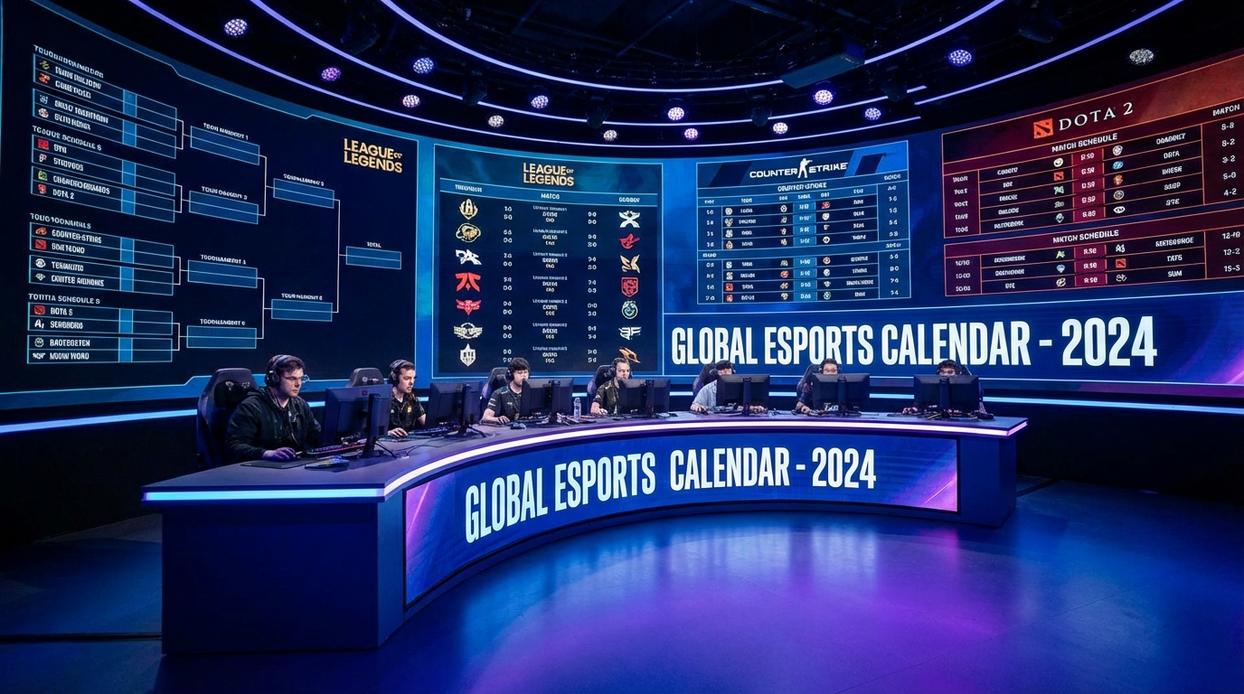
Macro pacing is the art of managing the game’s overall flow rather than just reacting to the fight in front of you. Think of it as competitive gaming time management—allocating attention and resources based on what the clock demands.
The “Objective Clock”
The Objective Clock refers to tracking spawn timers and weighing their map impact. For example, trading an early dragon for turret plates and deep vision can be smarter if it sets up the next two objectives. Some players argue you should contest everything to avoid “giving momentum.” That sounds bold—but in practice, staggered deaths and lost tempo often hurt more. Still, I’ll admit: not every trade is obvious in the moment. Shot-calling under pressure isn’t chess with unlimited time (if only).
Managing Your “Ultimate Economy”
Ultimate Economy means coordinating game-changing abilities around the match timer, not just the next skirmish. Burning three ultimates for a minor pick at 18 minutes might cost you Baron control at 20. On the other hand, holding everything “for the perfect fight” can backfire if that fight never comes. There’s debate here, and honestly, the right call often depends on scaling and composition.
Tempo and Pacing
Tempo is the speed at which the game progresses. Aggressive comps should accelerate—force towers, invade, suffocate vision. Scaling teams? Stall waves and pressure the clock. (Yes, sometimes winning means being boring.)
Mid-Round “Time Outs”
After each fight, pause mentally. Check timers. Reassess win conditions. Pro tip: hydrate and reset your focus—small habits from nutrition and fitness tips for peak gaming performance can sharpen late-game decisions when seconds matter most.
Micro-Decisions: Optimizing Every Second of Action
At high levels of play, matches aren’t lost in dramatic team fights. They’re lost in micro-decisions—tiny, often invisible choices that waste (or save) seconds. Think of it like speedrunning your own gameplay (yes, even if you’re not breaking world records).
Minimizing Downtime
Start by eliminating non-essential actions:
- Plan efficient movement paths: Move with purpose. If you’re rotating, combine scouting with resource collection.
- Streamline inventory management: Sort items during low-risk windows, not mid-fight.
- Pre-position before objectives spawn: Arriving early saves scramble time.
Pro tip: Record one match and count how often you backtrack unnecessarily. The number may surprise you.
The “If-Then” Mental Framework
The “If-Then” method means pre-deciding actions for common scenarios. For example:
- If I’m flanked, then I retreat to Position B.
- If the enemy burns mobility, then I engage immediately.
Psychologists call these implementation intentions, and research shows they reduce cognitive load under pressure (Gollwitzer, 1999). In practice, this sharpens your reaction time because you’re executing, not debating.
Efficient Communication
Clear comms win games.
- Use short callouts: “Two top, no ult.”
- Avoid commentary during fights.
- Confirm critical info once.
Teams that trim verbal clutter react faster—essential in competitive gaming time management.
Cooldown Management as a Time Resource
Treat abilities like time currency. A 30-second cooldown isn’t just power—it’s tempo. Track enemy cooldowns mentally or on paper. When their key ability is down, that’s your window.
Seconds stack. Optimize enough of them, and the scoreboard eventually follows.
The gap between matches isn’t downtime; it’s a pit stop. In five minutes, run a mental reset like clearing a browser cache: breathe in for four, out for six, name one lesson, then let the rest go. Wins can inflate you, losses can haunt you—both distort judgment (yes, even after a stomp).
Next, make a rapid strategy adjustment. Identify one flaw and share one fix. Think of it as turning a single screw, not rebuilding the engine.
Finally, prioritize physical recovery: sip water, stretch wrists and shoulders. Smart competitive gaming time management keeps stamina steady deep into brackets under pressure.
From Chaos to Control: Your New Tournament Time Ethos
You now hold a complete toolkit for mastering the clock before, during, and between matches. Instead of dreading the countdown, you start seeing opportunity. When you apply competitive gaming time management principles, pressure becomes productive focus. For example, setting a Time Budget per round keeps you from overthinking early plays and rushing late ones.
As a result, your decisions feel calmer, sharper, more intentional. That’s the edge—fewer panic mistakes, stamina, better comebacks. So start small: choose one strategy, test it in your practice, and watch discipline turn into confidence.
Level Up Your Results with Smarter Structure
You came here looking for a clearer way to balance improvement, performance, and real-life demands in your grind. Now you have a practical framework for competitive gaming time management that helps you train with intention instead of just logging endless hours.
The reality is frustrating: grinding without structure leads to burnout, inconsistent performance, and stalled rank progression. You don’t need more hours—you need better ones. When you prioritize focused practice, review your gameplay, and schedule recovery, you create consistent growth instead of random spikes.
Here’s the move: audit your current weekly routine today. Cut the wasted queue time. Block focused practice sessions. Track one key improvement metric per week. Small adjustments compound fast.
If you’re serious about climbing, optimizing your setup, and mastering the systems behind high-level play, now’s the time to act. Join thousands of competitive players who rely on our proven strategies and in-depth breakdowns to sharpen their edge. Start refining your system today and turn every session into measurable progress.