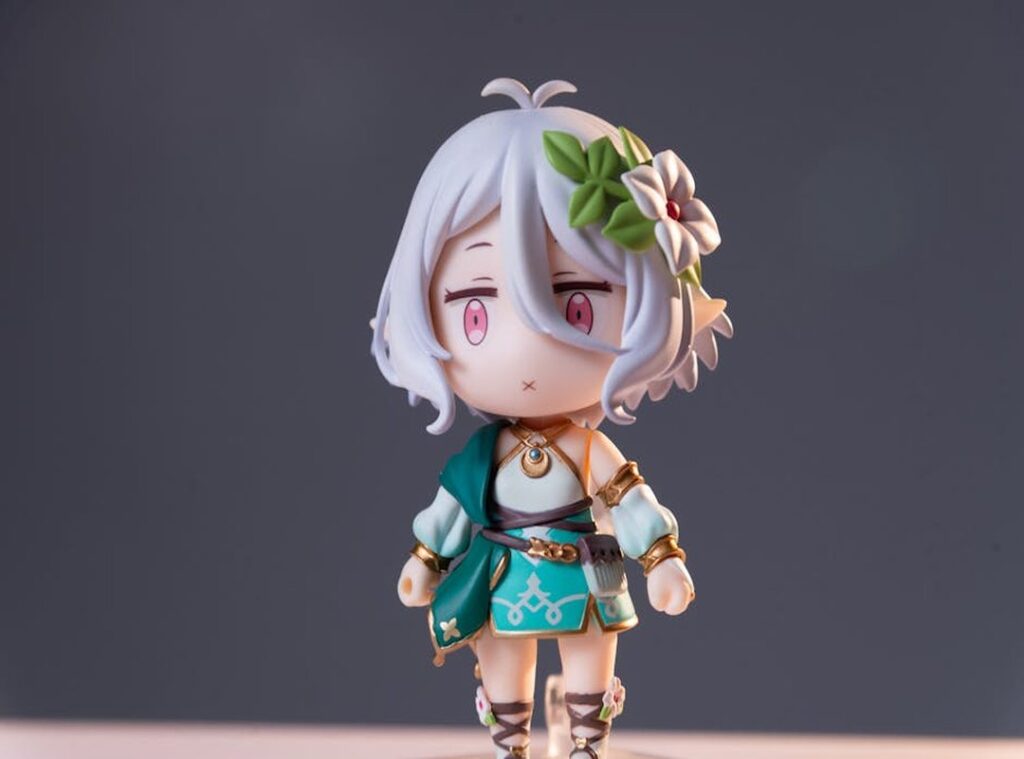
Drawing chibi kawaii characters can be a real challenge. You might find it tough to get the proportions right, or maybe you struggle with making those expressions pop. I’ve been there, and I know how frustrating it can be.
But here’s the thing: with the right poses chibi kawaii bases de dibujo, you can create adorable and dynamic characters that jump off the page.
I’m not just talking about any old references. I mean high-quality, detailed poses that make your drawings come to life. Trust me, having these references will make a huge difference in your art.
So, if you’re ready to take your chibi kawaii drawing to the next level, let’s dive in.
Understanding Chibi Kawaii Style
Chibi kawaii is all about the cute and adorable. Large heads, small bodies, and those irresistible cute expressions make it stand out.
When you look at chibi kawaii, the proportions are what catch your eye first. The head is usually about half or more of the body size. This gives the characters a childlike, innocent appearance.
Facial features are simple yet expressive. Big, sparkly eyes, tiny noses, and small mouths. These features make the characters look endearing and approachable.
Body language in chibi kawaii is playful and exaggerated. Poses are often dynamic, with characters showing off their emotions through big, bold movements. Think of a character jumping for joy or pouting in disappointment.
Now, let’s talk about the historical context. Chibi kawaii art has its roots in Japanese manga and anime. It evolved from the need to create simpler, more expressive characters.
Over time, it became a distinct style loved by artists and fans worldwide.
Compared to traditional art, chibi kawaii is more about simplicity and cuteness. Traditional art might focus on realism and detail, while chibi kawaii aims to capture the essence of a character in a more whimsical way.
If you’re into drawing, poses chibi kawaii bases de dibujo can be a great starting point. They provide a foundation for creating your own unique and adorable characters.
Essential Tools and Materials
When it comes to drawing, you’ve got two main options: traditional and digital.
Pencils, erasers, sketchbooks, and markers are the go-to for many artists. They’re simple, reliable, and give you a tactile experience.
On the other hand, tablets, styluses, and software like Procreate or Clip Studio Paint offer a different kind of flexibility. You can undo mistakes with a tap, experiment with colors, and even animate your work.
So, which is better? It depends on what you’re after. Traditional tools are great for those who love the feel of paper and the smell of graphite.
Digital tools, though, are perfect if you want to save time and have more control over your art.
Now, let’s talk about reference materials. Finding and using reference images and pose libraries can make a huge difference in your work. For example, poses chibi kawaii bases de dibujo can help you nail those cute, exaggerated styles.
You can find these references online, in books, or even by taking your own photos. The key is to use them as a guide, not a crutch.
In the end, it’s all about what works best for you. Try both methods and see which one feels right.
Basic Chibi Kawaii Proportions
When it comes to drawing chibi kawaii characters, the head-to-body ratio is key. Typically, you’ll see a 2:1 or 3:1 head-to-body ratio. This means the head is either twice or three times the size of the body.
Facial features are crucial for that cute and expressive look. Eyes, nose, and mouth placement can make or break the character’s appeal. It’s not always easy to get it right, but practice helps.
Simplifying the body is another important step. You want to keep the body structure simple to maintain the chibi kawaii style. This often means fewer details and more focus on basic shapes.
Poses chibi kawaii bases de dibujo can be a great starting point. They help you get the proportions and expressions just right.
I admit, sometimes it can feel a bit overwhelming. There are so many styles and techniques out there. But remember, the goal is to have fun and create something that makes you happy.
Creating Dynamic Poses

Action Poses: How to Draw Chibi Characters in Motion
Drawing chibi characters in motion can be a lot of fun. Start by sketching the basic shape of the body. For running, think about the position of the legs and arms.
One leg should be forward, and the other back. The arms should swing naturally. For jumping, the character might have both feet off the ground, with the arms up for balance.
Dancing? Think about the rhythm and flow. Maybe one foot is lifted, and the arms are in a playful, expressive position.
Emotional Poses: Capturing Different Emotions
Emotions are key in making your chibi characters relatable. For happiness, draw a big smile and wide, sparkly eyes. Sadness?
A frown and droopy eyes. Anger? Furrowed brows and a clenched jaw.
Use poses chibi kawaii bases de dibujo to get a feel for how different emotions can be expressed through body language.
Interaction Poses: Drawing Chibi Characters Interacting
Interaction poses add depth to your scenes. If two chibi characters are talking, have them face each other. One might be pointing or gesturing, while the other listens.
For a character interacting with an object, like holding a toy or a book, make sure the hands and fingers are positioned naturally.
Remember, practice makes perfect. Try drawing different poses and see what works best for you. And if you’re into gaming, check out the rise of cross platform play benefits and challenges.
It’s a great way to stay inspired and connected.
Using Reference Poses Effectively
Finding the right references can make or break your chibi kawaii drawings. Online databases are a goldmine. They have a wide range of poses and styles.
Books and tutorials are also great, especially for detailed step-by-step guidance.
Adapting references is key. You need to tweak those poses to fit your character’s style and personality. Don’t just copy; make it your own.
Think about what makes your character unique and how that can be reflected in their pose.
Practicing with references is all about consistency. Set aside time each day to practice. Even 10 minutes can make a big difference.
Try using different poses from various sources to keep things fresh.
Using poses chibi kawaii bases de dibujo can be a good starting point. But remember, the goal is to adapt and evolve. Compare a generic base pose to one you’ve customized.
The difference is clear. Your characters will feel more alive and personal.
Pro tip: Keep a sketchbook or digital folder of your favorite reference poses. It’ll save you time and help you stay organized.
Adding Details and Finishing Touches
Clothing and Accessories: Designing and adding outfits and accessories to enhance the character’s look. It’s all about making your chibi kawaii characters stand out. A simple hat or a cute dress can make a big difference.
Backgrounds and Scenes: Creating simple yet effective backgrounds to complement your chibi kawaii characters. You don’t need to go overboard. A few well-placed elements can set the scene without overwhelming the main focus.
Coloring and Shading: Techniques for adding color and depth to your drawings. This is where you bring your characters to life. The right colors and shading can make them pop off the page.
Use poses chibi kawaii bases de dibujo as a starting point. These templates give you a solid foundation to build on. They help you get the proportions right, so you can focus on the fun stuff like clothing and accessories.
When it comes to backgrounds, keep it minimal. A park bench, a tree, or a simple room can do wonders. The key is to support the character, not overshadow them.
For coloring, try using a limited palette. Too many colors can be distracting. Stick to a few that work well together.
This keeps the drawing cohesive and visually appealing.
Shading adds depth and dimension. Even a little bit of shadow under the chin or on the side of an arm can make your character look more three-dimensional. It’s a small touch, but it makes a big impact.
Remember, the goal is to enhance, not overwhelm. Keep it simple and let your creativity shine through.
Perfecting Your Chibi Kawaii Drawings
poses chibi kawaii bases de dibujo are crucial for creating dynamic and expressive characters. They help in adding life and personality to your drawings. By following the steps and tips provided, you can master the art of chibi kawaii drawing.
Continuous practice and experimentation will help you develop your unique style. Bringing your chibi kawaii characters to life is a rewarding journey.