
If you’re searching for a clear breakdown of masticelator vs action rpg combat, you’re likely trying to understand how these two combat styles truly compare—beyond surface-level impressions. Whether you’re optimizing your build, sharpening your mechanics, or deciding which experience better fits your playstyle, the differences matter.
This article dives straight into the core gameplay mechanics that separate them: pacing, skill expression, strategic depth, gear synergy, and competitive viability. Instead of vague opinions, we analyze how each system feels in real matches, how it rewards player decision-making, and how it scales from casual play to high-level competition.
Our insights are grounded in hands-on gameplay testing, meta analysis, and close observation of competitive trends and player performance patterns. If you want a focused, mechanics-driven comparison that helps you make smarter gameplay choices, you’re in the right place.
Defining the Fight: Core Differences in Player Engagement
At first glance, every sword swing looks the same. However, the gap between genres runs deeper than flashy animations. In masticelator vs action rpg combat, pacing defines everything. A masticelator demands immediate mechanical mastery—meaning your timing, spacing, and reflexes decide victory. By contrast, an action RPG rewards long-term character growth, where stats, skill trees (think Skyrim spreadsheets) and loot rarity shape outcomes. Some players argue speed alone separates them. Not quite. The real divide is philosophy: short-burst execution versus gradual power accumulation. If you love labbing combos like a fighting-game scientist, you’ll thrive in masticelators. Prefer watching numbers climb like a dopamine-fueled stock chart? Action RPGs fit. Ultimately, knowing this saves you from controller-throwing regret. Choose wisely.
Pacing and Flow: The Rhythm of Battle
Combat rhythm defines how a game feels moment to moment. In masticelator vs action rpg combat, that rhythm splits into two distinct philosophies.
In a Masticelator, the focus is relentless aggression. Think of combat as a high-speed dance where hesitation costs you the round (yes, like dropping a combo in a fighting game finals). Enemies telegraph attacks with split-second “tells”—visual or audio cues that signal incoming danger. React correctly, and you stay in control. Miss it, and you’re punished immediately. The benefit? A constant adrenaline surge and mastery built on execution, not numbers.
Momentum is king. Pauses break flow, and defensive play is often just a setup for your next strike.
By contrast, Action RPG combat is strategic engagement. Players manage finite resources like stamina (energy for physical actions) and mana (energy for abilities), while juggling cooldowns—timers that restrict ability reuse. The flow cycles through attack, defend, reposition. Patience wins fights.
- Masticelator enemies test reflex precision.
- Action RPG enemies test builds and tactical planning.
Some argue methodical systems feel deeper. That’s fair. But depth can also emerge from mechanical execution under pressure. Both reward skill—just different kinds of it.
Skill Expression: Player Reflex vs. Character Build
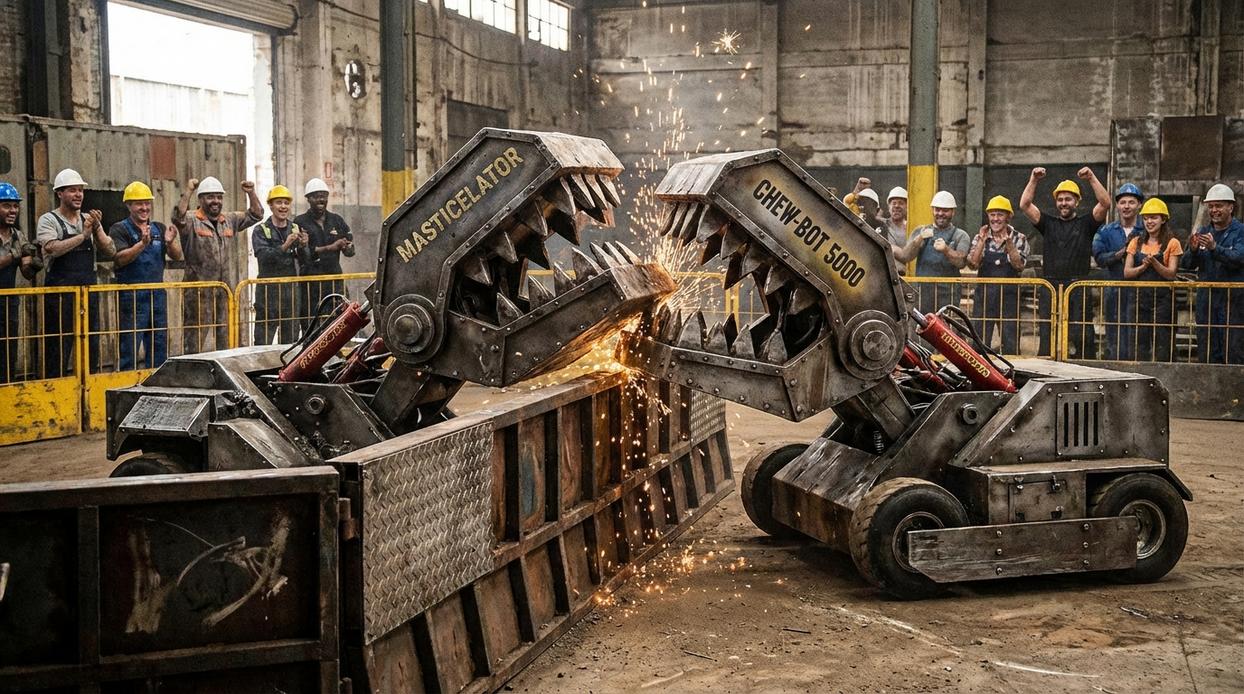
When comparing masticelator vs action rpg combat, the core difference comes down to where skill actually lives: in your hands or in your planning.
Masticelators: Skill in Real Time
In a masticelator, skill is primarily mechanical execution—meaning your timing, positioning, reaction speed, and pattern recognition determine success. Mechanical execution refers to your physical input accuracy: landing perfect parries, dodge-canceling at the last frame, or capitalizing on a half-second opening. A highly skilled player can clear brutal encounters with base gear simply by mastering enemy attack patterns (think Sekiro-style boss runs with no upgrades).
Failure here is blunt and personal: “I mistimed that parry.” The lesson is execution-based. You improve by refining inputs, not adjusting stats. For a deeper look at how this philosophy works, see the in depth breakdown of the masticelator combat system.
Action RPGs: Skill in Preparation and Systems
Action RPGs measure skill differently. Success blends reflex with build-crafting—strategically selecting skills, gear, and synergies. Build-crafting means designing a character setup that maximizes damage, survivability, or utility through layered systems like elemental resistances or status effects.
Here, failure often sounds like: “I need more fire resistance” or “My build lacks sustain.” The correction happens outside combat through respeccing, leveling, or gear optimization.
Some argue this makes action RPGs less skill-based. That’s not entirely fair. Strategic foresight is a skill—just a different one. If masticelators test reaction speed, action RPGs test system mastery. One rewards split-second execution; the other rewards long-term planning (and sometimes spreadsheet-level dedication).
Progression and Power: The Source of Strength
Progression defines how power feels in your hands. In a masticelator, leveling up or discovering a new weapon unlocks fresh moves, combos, or mobility options. Instead of simply hitting harder, you gain more ways to engage. This is horizontal growth—your toolkit expands, but your base strength stays grounded in execution. The benefit? Your victories feel earned. Mastery, timing, and positioning remain the deciding factors (no stat screen can save sloppy inputs).
By contrast, action RPG progression is built on amplification. Leveling increases health pools, damage output, and defensive stats. Gear upgrades often deliver dramatic numerical spikes. This vertical climb means tougher enemies can become manageable—or trivial—once your numbers are high enough. For many players, that’s empowering. You can overcome walls through persistence and smart build crafting rather than mechanical perfection.
Here’s why understanding masticelator vs action rpg combat matters to you:
- You choose your challenge style: skill refinement or strategic scaling.
- You control frustration levels: grind to push past obstacles, or practice to outperform them.
- You optimize your time: invest in mechanics or in builds, depending on what you enjoy most.*
In a masticelator, difficulty stays consistent, making improvement deeply personal. In an action RPG, smart gearing can reshape the experience entirely. The upside? You get to decide what kind of power fantasy satisfies you most—precision-driven dominance or overwhelming numerical supremacy.
Choosing Your Arena: Matching Combat to Your Gaming Style
At its core, the debate around masticelator vs action rpg combat is less about which is better and more about which feels like home. Think of it like choosing between a boxing ring and a chessboard. Both are competitive. Both demand mastery. But the kind of mastery couldn’t be more different.
On one hand, masticelators reward execution—the split-second dodge, the perfectly timed counter, the mechanical precision that feels almost musical. Your controller becomes an instrument, and every fight is a live performance (no rehearsal, no safety net). If you thrive on adrenaline and reflex-driven challenges, this is your arena.
On the other hand, action RPGs are more like engineering a custom race car before the big event. You tweak stats, theory-craft builds, and plan skill synergies. Victory often begins long before the battle starts. Consequently, players who love preparation, long-term progression, and tactical pacing tend to find deeper satisfaction here.
Some argue reflex-heavy games lack strategic depth. Others claim build-focused systems dilute personal skill. However, both viewpoints miss the nuance: one tests execution under pressure, while the other tests foresight and planning.
So, before your next purchase, study trailers carefully. Notice the rhythm of combat. Ask yourself: is power coming from your hands—or your character sheet?
Mastering masticelator vs action rpg combat for Smarter Gameplay
You came here to finally understand how masticelator vs action rpg combat really compares—mechanically, strategically, and competitively. Now you’ve seen how pacing, skill expression, gear scaling, and player decision-making separate these combat styles and shape entirely different gameplay experiences.
Choosing the wrong system for your playstyle can lead to frustration, wasted grind time, and underperforming builds. But when you understand the core mechanics driving each approach, you gain the edge—whether that means tighter mechanical execution, smarter cooldown management, or optimizing your loadout for peak efficiency.
The next move is yours: dive deeper into combat breakdowns, refine your builds, and test these insights in real matches. If you’re serious about sharpening your gameplay, explore our in-depth guides and gear optimization breakdowns trusted by competitive players and ranked grinders alike.
Stop guessing. Start dominating. Jump into the latest combat analysis now and turn knowledge into wins.