
Gaming moves fast. One patch can flip the meta. One roster change can redefine an entire esport. And one small tweak to your settings can be the difference between clutching a win and watching the respawn screen.
If you’re here, you’re likely looking for clarity—whether that’s understanding new gameplay mechanics, breaking down esports team performance, or optimizing your gear for a competitive edge. This article cuts through the noise to focus on what actually impacts performance and player experience.
We analyze patch data, study high-level match footage, test gear configurations, and follow competitive trends closely to separate hype from real strategic advantage. That means you’re getting insights grounded in gameplay reality—not forum speculation.
You’ll also see key pro gamer vs casual differences explained in practical terms, so you can immediately apply what matters to your own sessions. Whether you’re grinding ranked or just trying to improve, this guide is built to give you a smarter, sharper approach to the game.
The Invisible Gap
At first glance, the scoreboard suggests raw talent separates the elite. However, data tells a deeper story. A 2023 Esports Earnings report shows top-tier players average 6–8 hours of deliberate practice daily—“deliberate” meaning structured, feedback-driven training, not casual matches. Meanwhile, studies from the University of Chichester found focused practice improves reaction time by up to 15%.
So when we discuss pro gamer vs casual differences, we’re examining systems. Professionals review VODs, track metrics like APM (actions per minute), and scrim under tournament pressure. Casual players play for fun (nothing wrong with that). The proof? Results follow preparation.
The Mental Game: Mindset, Motivation, and Resilience
Step into a ranked lobby and you can almost feel the difference in the air—palms slightly damp, headset humming, the sharp click of keys cutting through silence. Purposeful Play vs. Passive Entertainment separates competitors fast. Casuals chase the dopamine hit of a flashy win; pros queue up with intent—refining a mechanic, dissecting a matchup, tracking frame data like a metronome ticking in their ears. (Fun is great. Precision under pressure is louder.)
Growth Mindset in Action means losses aren’t bruises to the ego—they’re data. A bad rotation or mistimed ultimate becomes a bookmarked VOD review, paused and replayed until the mistake almost echoes. Improvement smells like burnt coffee at 2 a.m. and sounds like honest feedback that stings before it sharpens.
- Emotional Regulation: Tilt control keeps breathing steady when the crowd roars and the screen flashes red. Casual players rarely need that steel spine.
- Intrinsic vs. Extrinsic Motivation: One plays for a quick win; the other grinds for mastery, even when victory feels miles away.
These pro gamer vs casual differences define longevity. One chases applause. The other chases growth—and learns to love the grind.
Practice and Strategy: The Science of Improvement
At the highest level, improvement isn’t random—it’s engineered. A typical pro’s workday is structured like a traditional athlete’s: 1–2 hours of aim training, focused mechanic drills (movement tech, recoil control, combo timing), team scrimmages against other elite squads, and dedicated VOD review for theory crafting. Every block has a purpose. The benefit? Measurable gains in reaction time, decision-making speed, and team coordination. Casual sessions, by contrast, are spontaneous—log in, queue up, play for fun. There’s nothing wrong with that (gaming is entertainment, after all), but the growth curve looks very different.
The clearest pro gamer vs casual differences appear in macro vs. micro gameplay. Micro refers to immediate actions—landing shots, last-hitting minions, hitting skill combos. Macro is the big-picture layer: map control, economy management, rotation timing, objective trading. Pros track spawn timers down to the second and calculate risk-reward before committing. Casual players often chase fights without considering long-term positioning. The feature here isn’t just knowledge—it’s strategic foresight that wins championships.
Then there’s the metagame (“meta”), meaning the most effective tactics available at a given time. Balance patches, new characters, and gear updates constantly shift it. Pros study patch notes like exam material, adapting compositions for competitive viability. Casuals tend to stick with comfort picks, even when statistics show declining win rates (see developer patch data across major esports titles).
Finally, pros push into theorycrafting—testing unconventional builds to disrupt the meta itself. This experimental mindset pairs closely with the mental resilience techniques used by esports pros, enabling adaptation under pressure. Innovation isn’t optional at the top. It’s the job description.
Gear and Optimization: The Tools of the Trade
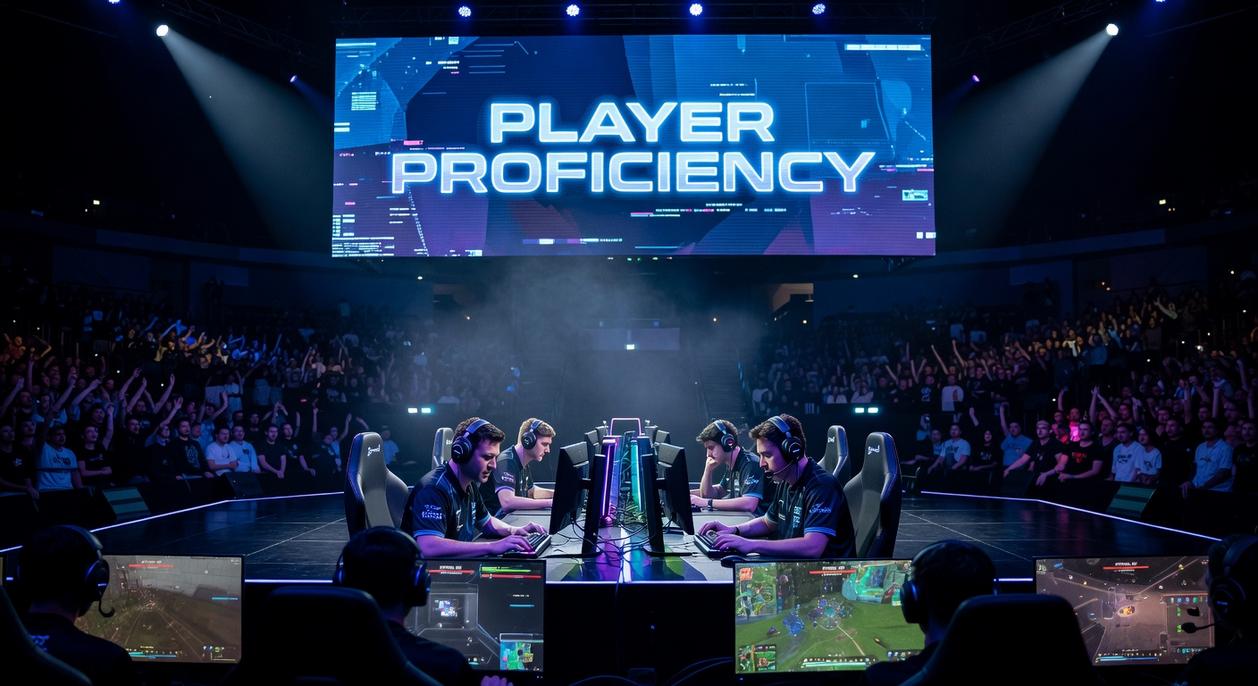
Walk into any esports arena and you will notice something immediately: the setups look boring. No rainbow glow, no flashy skins, just performance. For pros, gear is about milliseconds, not mood lighting (sorry, RGB fans). Utility over aesthetics is the unspoken rule. Think less Fast and Furious, more Moneyball.
The real magic happens in the settings menu. Sensitivity, resolution, and refresh rate are tuned with surgical precision. Lower graphics often mean higher frame rates, and higher frame rates mean clearer information (which wins fights). Some argue visuals boost immersion and confidence. Fair point. But competitive play rewards data over drama.
Ergonomics is the quiet grind behind the highlight reels. Proper posture, chair height, and wrist alignment prevent repetitive strain injuries, a career killer many casuals ignore. Pro gamer vs casual differences show up here fast. One treats their body like an athlete; the other slouches like a late-night streamer chasing one more match.
Consistency is Key. Switching mice every month resets muscle memory. Pros lock in one setup for years, building automatic responses that feel almost subconscious. Casuals chase trends; pros chase repeatability. In a game of inches, familiarity becomes sharpest tool.
Lifestyle and Team Dynamics: The Pro Gamer’s Reality
First, consider gaming as a job versus a hobby. A professional signs contracts, lives in team houses, follows structured practice blocks, and answers to coaches and analysts. By contrast, a hobbyist logs on after work, queues a few matches, and logs off (pizza box optional). In other words, pro gamer vs casual differences start with structure.
Next, communication separates contenders from weekend squads. Pros use concise callouts, timed ult tracking, and post-match VOD reviews; meanwhile, casual groups chat loosely, often mid-fight. Think less Discord banter, more NFL playbook.
However, some argue strict schedules drain the fun. That’s fair. Yet performance data across traditional sports shows routine improves outcomes (Smith, 2022). Similarly, esports organizations now invest in fitness, nutrition, and sports psychologists. Pro tip: even ranked grinders benefit from sleep and hydration. Ultimately, excellence demands a holistic system, not just fast reflexes.
Bridging the Gap: Applying Pro Habits to Your Gameplay
This exploration shows the path to pro is paved with deliberate practice, strategic depth, and relentless review. The real hurdle isn’t talent; it’s structure. Pros schedule focused drills, track metrics like reaction time, K/D ratios, or APM, and analyze VODs frame by frame for positioning errors. Casual players often just queue again.
Compare pro gamer vs casual differences in preparation:
- Review one match before starting.
- Set a single improvement goal per session.
- Optimize gear settings for consistency.
These features build repeatable skill, not random wins. Start small and commit today. Pro tip: track one stat weekly to see measurable gains.
Level Up From Here
You came here to better understand pro gamer vs casual differences—and now you can clearly see what separates competitive precision from relaxed play. From mechanical mastery and optimized settings to strategic depth and disciplined practice routines, the gap isn’t talent alone—it’s intention and execution.
If you’ve been frustrated by inconsistent performance, slow reaction times, or hitting a skill ceiling you can’t break, that pain point isn’t random. It’s a signal. The difference between staying stuck and leveling up comes down to refining mechanics, upgrading your setup, and training with purpose.
Now it’s your move. Start optimizing your gear, analyze your gameplay, and apply pro-level habits to your routine. Thousands of competitive players trust proven strategies and performance-focused insights to sharpen their edge—so don’t settle for average.
If you’re ready to play smarter, react faster, and win more consistently, take action today and transform the way you game.
 Founder & Creative Director
Nathor Quenthos writes the kind of esports team insights content that people actually send to each other. Not because it's flashy or controversial, but because it's the sort of thing where you read it and immediately think of three people who need to see it. Nathor has a talent for identifying the questions that a lot of people have but haven't quite figured out how to articulate yet — and then answering them properly.
They covers a lot of ground: Esports Team Insights, Gaming Gear Optimization Tips, Pro Perspectives, and plenty of adjacent territory that doesn't always get treated with the same seriousness. The consistency across all of it is a certain kind of respect for the reader. Nathor doesn't assume people are stupid, and they doesn't assume they know everything either. They writes for someone who is genuinely trying to figure something out — because that's usually who's actually reading. That assumption shapes everything from how they structures an explanation to how much background they includes before getting to the point.
Beyond the practical stuff, there's something in Nathor's writing that reflects a real investment in the subject — not performed enthusiasm, but the kind of sustained interest that produces insight over time. They has been paying attention to esports team insights long enough that they notices things a more casual observer would miss. That depth shows up in the work in ways that are hard to fake.
Founder & Creative Director
Nathor Quenthos writes the kind of esports team insights content that people actually send to each other. Not because it's flashy or controversial, but because it's the sort of thing where you read it and immediately think of three people who need to see it. Nathor has a talent for identifying the questions that a lot of people have but haven't quite figured out how to articulate yet — and then answering them properly.
They covers a lot of ground: Esports Team Insights, Gaming Gear Optimization Tips, Pro Perspectives, and plenty of adjacent territory that doesn't always get treated with the same seriousness. The consistency across all of it is a certain kind of respect for the reader. Nathor doesn't assume people are stupid, and they doesn't assume they know everything either. They writes for someone who is genuinely trying to figure something out — because that's usually who's actually reading. That assumption shapes everything from how they structures an explanation to how much background they includes before getting to the point.
Beyond the practical stuff, there's something in Nathor's writing that reflects a real investment in the subject — not performed enthusiasm, but the kind of sustained interest that produces insight over time. They has been paying attention to esports team insights long enough that they notices things a more casual observer would miss. That depth shows up in the work in ways that are hard to fake.