Gaming moves fast. One patch can reshape the meta, one roster change can flip a tournament favorite, and one overlooked mechanic can separate casual players from serious competitors. If you’re here, you’re looking for clear, up‑to‑date insight on what’s actually happening across competitive gaming—from core gameplay shifts to team strategies and gear that delivers a real edge.
This article breaks down the hottest topics in gaming right now, with a sharp focus on mechanics that win matches, evolving team dynamics, and the performance tweaks that matter. We’ll also take a Bold on esports talent scouting approach, examining how rising players are identified and developed in today’s hyper‑competitive scene.
Our analysis is built on close tracking of tournament results, patch updates, scrim trends, and hands‑on gear testing—so you’re not just getting opinions, but informed perspectives grounded in how the game is actually being played at the highest level.
Back in 2019, raw mechanical skill could land a tryout overnight. Today, however, the bar is different. After months of VOD reviews, psychometric testing, and bootcamp trials, organizations have learned a hard truth: talent alone doesn’t win championships.
First, scouts track consistency over seasons, not highlight reels. Then, they evaluate communication under pressure—how a player responds after a loss in week three, not just a finals win. Meanwhile, data analysts map decision-making patterns across patches.
Some argue stats should decide everything. Yet experience shows culture fit and resilience separate contenders from cautionary tales. That’s the blueprint behind esports talent scouting.
Defining Your Ideal Player: Beyond the Kill/Death Ratio
A flashy Kill/Death (K/D) ratio can be misleading. It measures how often a player eliminates opponents versus how often they’re eliminated—but it ignores context. Were those kills meaningful? Did they secure objectives or just pad stats in low-pressure moments? In other words, numbers alone don’t tell the whole story.
First, core mechanical skills are the non-negotiables. In an FPS, that’s aim, recoil control, and reaction time. In an RTS, it’s APM (Actions Per Minute), meaning how many meaningful inputs a player executes quickly and accurately. Think of mechanics as the engine of a car—without it, nothing else runs.
However, mechanics aren’t everything. Game intelligence refers to decision-making: reading rotations, tracking cooldowns, and predicting enemy strategy. Adaptability—adjusting to balance patches or mid-match surprises—is equally vital (because no plan survives first contact with the enemy).
Then there’s the “clutch” factor—mental resilience under pressure. This is a player’s ability to avoid “tilting,” or emotional frustration that harms performance. High-pressure rounds separate steady competitors from highlight-reel hopefuls.
Finally, communication and synergy turn individuals into teams. Clear, concise comms reduce confusion and build trust. In esports talent scouting, creating a player profile template that grades mechanics, IQ, resilience, and teamwork brings structure to what can otherwise feel subjective.
The Digital Scouting Grounds: Where to Find Untapped Talent
Back in 2019, most organizations fixated on the top 100 ranked ladder players. Fast-forward to 2026, and the smarter teams dig deeper. Looking beyond headline names means scanning semi-pro leagues, collegiate tournaments, and dedicated platforms like G-Science and Mobalytics. These ecosystems often reveal “raw prospects” (players with strong fundamentals but limited exposure) before they explode onto the main stage. In fact, Riot’s amateur circuits have repeatedly produced breakout stars within a single competitive season (Riot Games Esports Reports, 2023).
However, some argue that if a player isn’t already dominating top ranks, they lack elite potential. That sounds logical—until you consider context. Ranked ladders reward grind volume, not always adaptability or teamwork. Plenty of mechanically gifted players plateau due to poor team environments, not limited skill (a classic Moneyball problem, just with more RGB lighting).
Then there’s VOD review—arguably the backbone of esports talent scouting. VOD (Video on Demand) analysis lets scouts evaluate decision-making speed, map awareness, and communication habits. Stats may highlight a 30% headshot rate, but footage reveals positioning errors under pressure. After three months of structured VOD review, some organizations report sharper draft and recruitment outcomes (Esports Insider, 2022).
Meanwhile, networking remains underrated. Coaches, casters, and league admins often spot rising talent months before stat dashboards do. A quiet recommendation can be worth more than a flashy highlight reel.
Finally, data analytics tools help separate consistent performers from “one-hit wonders.” Tracking performance trends over multiple splits provides stability metrics—how reliably a player performs across patches. For a deeper look at roster construction strategy, see how top esports teams build winning rosters.
The takeaway? The real gems rarely sit at the top of the obvious list.
The Gauntlet: Designing an Effective Tryout Process
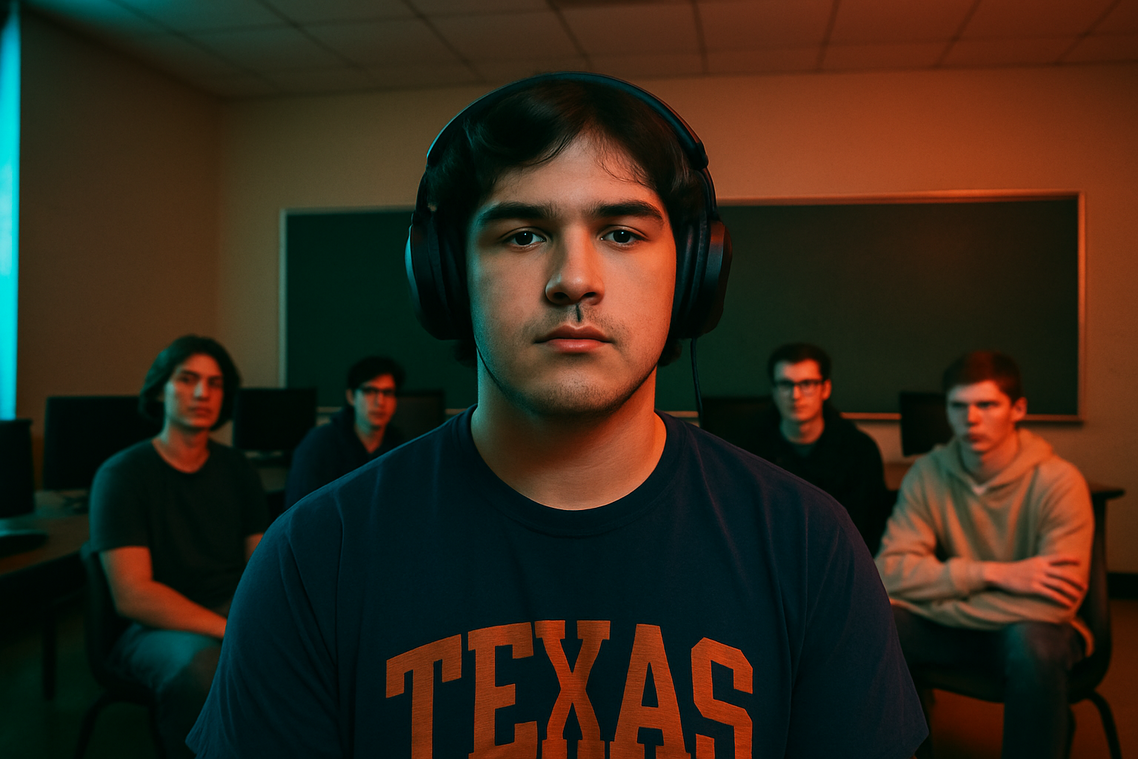
An effective tryout isn’t a vibe check—it’s a system. Think of it as esports talent scouting with structure, not guesswork. The goal is simple: separate raw skill from real team value.
Phase 1: Mechanical Drills & 1v1s
First, isolate mechanics. In a controlled setting, you’re measuring mechanical consistency (a player’s ability to execute core skills repeatedly under light pressure). A 1v1 reveals aim, movement, cooldown management—pure inputs and outputs.
A vs B: A player who dominates drills but tilts after one mistake versus a slightly weaker mechanical player who adapts mid-fight. The scoreboard might favor A. Long-term development often favors B. (Yes, it’s the “combine warrior” vs. playoff performer debate.)
Phase 2: Scrims & Team Scenarios
Next, add chaos. Scrims test adaptability—how quickly someone adjusts to shifting strategies and personalities. Communication becomes visible currency.
For example, does the prospect call rotations clearly, or talk over teammates? A mechanically gifted solo star can look lost inside a coordinated system. Meanwhile, a steady communicator can elevate everyone’s play. Pro tip: track not just kills or damage, but clarity of comms and response time to shot calls.
Phase 3: The Interview
Then, shift from gameplay to mindset. Ask:
- “How do you handle being benched?”
- “Describe a conflict with a teammate.”
- “Where do you see your role evolving?”
Here you’re assessing coachability—the willingness and ability to apply feedback quickly.
Reference Checks
Finally, verify. Former teammates often reveal temperament patterns. Some argue stats should outweigh reputation. However, culture fit wins championships (just ask any superteam that imploded). Skill gets you noticed. Character keeps you signed.
Securing Your Star: Contracts, Compensation, and Player Management
The click of a pen on paper can echo louder than a stadium chant. Anatomy of a Pro Contract starts with salary, prize splits, buyouts, and sponsor obligations—clearly written, no fine-print fog. In esports talent scouting, clarity protects both sides. Some argue talent will sign anything for spotlight; that gamble smells like burnt trust.
Beyond the Paycheck, build coaching, mental health support, and career paths players can see and feel. A steady routine beats flashy promises.
Setting Expectations means defined roles, conduct codes, and consequences from day one—so conflicts don’t explode mid-season.
Building a championship roster isn’t about collecting highlight reels; it’s about chemistry, resilience, and shared vision. You now have a roadmap from first scout to final signature. Still, remember: the real hurdle isn’t spotting skill, it’s shaping a unit that performs under pressure. Think less fantasy draft, more Avengers assembling for the endgame. That’s where esports talent scouting must evolve beyond stats. Moreover, structured evaluations reduce risk and protect team culture. Pro tip: define your ideal player profile before emotions take over. Then, start reviewing VODs of rising prospects today and build something built to last. Together you win titles.
You came here to better understand the evolving landscape of competitive gaming, team strategy, and what separates average players from elite performers. Now you have a clearer picture of how mechanics, preparation, and smart roster decisions shape real results.
The truth is, the biggest frustration for ambitious players and fans alike is falling behind—missing key trends, overlooking rising stars, or investing time in the wrong gear and strategies. In a space that moves this fast, hesitation costs progress.
That’s why mastering core gameplay mechanics, staying updated on meta shifts, and paying attention to esports talent scouting isn’t optional—it’s your competitive edge. The teams and players who win consistently are the ones who study smarter and optimize everything.
Level Up Your Competitive Edge
If you’re serious about improving, don’t just watch the scene—analyze it. Dive deeper into gameplay breakdowns, track emerging talent, and optimize your setup with proven gear strategies. Thousands of competitive gamers rely on our in-depth insights to sharpen their skills and stay ahead of the curve.
Don’t get left behind. Explore the latest breakdowns, apply what you’ve learned today, and start dominating your next match.
 Founder & Creative Director
Nathor Quenthos writes the kind of esports team insights content that people actually send to each other. Not because it's flashy or controversial, but because it's the sort of thing where you read it and immediately think of three people who need to see it. Nathor has a talent for identifying the questions that a lot of people have but haven't quite figured out how to articulate yet — and then answering them properly.
They covers a lot of ground: Esports Team Insights, Gaming Gear Optimization Tips, Pro Perspectives, and plenty of adjacent territory that doesn't always get treated with the same seriousness. The consistency across all of it is a certain kind of respect for the reader. Nathor doesn't assume people are stupid, and they doesn't assume they know everything either. They writes for someone who is genuinely trying to figure something out — because that's usually who's actually reading. That assumption shapes everything from how they structures an explanation to how much background they includes before getting to the point.
Beyond the practical stuff, there's something in Nathor's writing that reflects a real investment in the subject — not performed enthusiasm, but the kind of sustained interest that produces insight over time. They has been paying attention to esports team insights long enough that they notices things a more casual observer would miss. That depth shows up in the work in ways that are hard to fake.
Founder & Creative Director
Nathor Quenthos writes the kind of esports team insights content that people actually send to each other. Not because it's flashy or controversial, but because it's the sort of thing where you read it and immediately think of three people who need to see it. Nathor has a talent for identifying the questions that a lot of people have but haven't quite figured out how to articulate yet — and then answering them properly.
They covers a lot of ground: Esports Team Insights, Gaming Gear Optimization Tips, Pro Perspectives, and plenty of adjacent territory that doesn't always get treated with the same seriousness. The consistency across all of it is a certain kind of respect for the reader. Nathor doesn't assume people are stupid, and they doesn't assume they know everything either. They writes for someone who is genuinely trying to figure something out — because that's usually who's actually reading. That assumption shapes everything from how they structures an explanation to how much background they includes before getting to the point.
Beyond the practical stuff, there's something in Nathor's writing that reflects a real investment in the subject — not performed enthusiasm, but the kind of sustained interest that produces insight over time. They has been paying attention to esports team insights long enough that they notices things a more casual observer would miss. That depth shows up in the work in ways that are hard to fake.