
If you’re searching for deeper insight into what actually drives performance in competitive gaming, you’re in the right place. Whether it’s mastering core gameplay mechanics, optimizing your gear, or understanding what separates top-tier squads from the rest, this article breaks down the elements that truly impact results.
Many players focus only on flashy plays, but consistent wins come from refined systems—mechanical precision, strategic adaptation, and team communication in esports. We’ll explore how these factors connect, where most teams fall short, and what actionable adjustments can immediately elevate performance.
Our analysis draws from current competitive trends, high-level match breakdowns, and performance data across major titles. By combining tactical insight with practical optimization strategies, this guide delivers clear, experience-backed perspectives you can apply right away.
If your goal is to compete smarter, sharpen execution, and understand the meta beyond surface-level advice, this article will give you the structured insight you’ve been looking for.
The Three C’s: Mastering In-Game Information Flow
Elite rounds aren’t won by mechanics alone. According to a 2023 study in the International Journal of Esports Performance, structured communication improved team round conversion rates by 15%. That’s the power of mastering the Three C’s: Concise, Clear, and Calm.
Anatomy of a Perfect Callout
A bad callout sounds like: “He’s over there!”
A good one? “One HP Jett, back-site heaven.”
The difference is measurable. The second example delivers agent, health status, and precise location in under two seconds. Concise means trimming filler words. Clear means using agreed-upon map terminology. Calm means steady tone—even at 1v1 (yes, your heart’s pounding, but your voice shouldn’t).
In professional VCT matches, analysts frequently note how top rosters average under three seconds per info exchange during executes. That efficiency reduces cognitive overload and sharpens reaction time.
Information Hierarchy
However, not all information deserves equal airtime. During chaotic rounds, separate need-to-know from nice-to-know.
- Need-to-know: “Spike down A main.”
- Nice-to-know: “I dinked him earlier.”
The first changes strategy immediately. The second clutters comms. Cognitive load research from MIT (2022) shows decision-making speed drops when working memory is overloaded. In other words, oversharing loses rounds.
The IGL as an Information Funnel
Meanwhile, the IGL acts as a filter. They clarify—“Confirm spike A main?”—then decide: “Group B. Leave lurk.”
This funneling process is a hallmark of effective team communication in esports. Much like structured systems discussed in training routines of elite esports athletes, repetition builds instinct. The IGL absorbs chaos and outputs direction.
Post-Plant & Retake Protocol
Finally, high-pressure moments demand structure:
- Call crossfire positions.
- Announce utility before use.
- Play off first contact.
For example: “I swing on tap.” “Flashing in three.” Short. Timed. Actionable.
Some argue rigid protocols reduce creativity. Yet data from pro match VOD reviews consistently shows structured comms correlate with higher clutch percentages. Structure doesn’t kill instinct—it supports it when it matters most.
Winning the match is only half the battle. The real edge often comes from what happens outside the server. If you want tighter execution tomorrow, you need better systems today.
Productive VOD Reviews
A blame-free VOD review starts with one rule: critique decisions, not people. Instead of “Why did you miss that shot?” ask, “What information did we have when we made that call?” This reframes mistakes as systemic gaps in communication or strategy. (Yes, even your star fragger has blind spots.)
Break rounds into three checkpoints:
- Information flow
- Role clarity
- Win condition alignment
Patterns reveal whether your team communication in esports is reactive or proactive. What’s next? Track recurring breakdowns in a shared doc so improvements compound. Pro tip: limit reviews to 30–40 minutes to protect focus.
Creating a Team Playbook
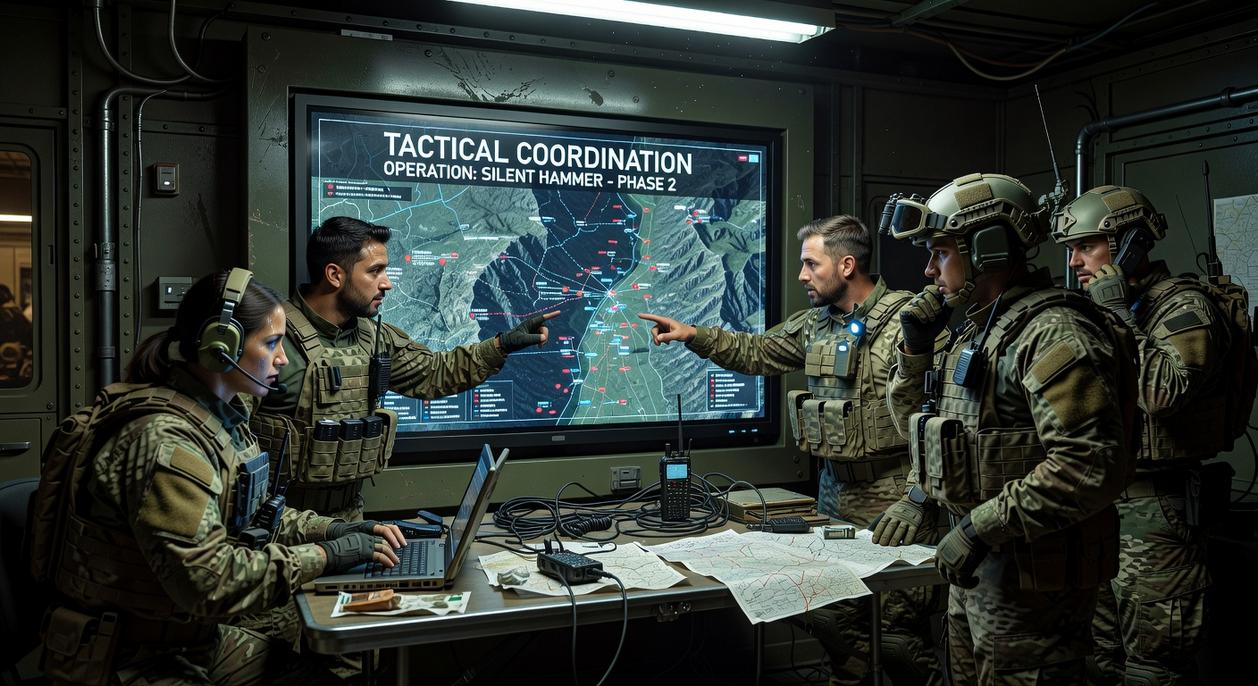
A playbook standardizes callouts, default setups, and contingency plans. Define terms clearly: a “default” is your low-risk starting formation; an “anti-strat” is a tailored counter to a specific opponent. Document map callouts so no one says “over there.” (Looking at you, every ranked lobby.) Update anti-strats after each scrim.
Pre-Game Strategy Huddles
Use a 15-minute routine:
- Set one measurable goal per map
- Clarify opening roles
- Visualize first three rounds
This aligns expectations and reduces panic under pressure. Think of it like a locker-room scene before the final boss fight. What’s next? Assign one player to recap adjustments post-match so learning never stalls. Together, these systems turn talent into synergy. Consistency transforms good rosters into championship-caliber units over time through disciplined iteration and trust.
Managing Tilt and Resolving Conflict Constructively
Every competitive roster faces the same fork in the road: spiral or stabilize. The difference often comes down to recognizing communication breakdown early.
Tilt comms—short for “tilted communications,” meaning emotionally charged, low-quality talk—show up as passive aggression, icy silence, blaming, or one player dominating the mic. In contrast, composed comms are concise, solution-focused, and forward-looking. Think A vs B:
- A: “Why didn’t you rotate?” (blame)
- B: “Next time, let’s rotate at 30 seconds.” (solution)
First, install a de-escalation protocol. A simple reset word—“clear” or “next”—acts like a tactical timeout. When used, the argument pauses immediately and gets tabled for review. Some argue this interrupts momentum. However, compare that to letting frustration snowball mid-match (we’ve all seen how that movie ends). A five-second pause beats five minutes of chaos.
Next, apply the Praise in Public, Critique in Private rule. Public callouts spike defensiveness; structured VOD reviews create psychological safety. In team communication in esports, timing is everything.
Finally, adopt a 10-minute post-match cool-down. Vent first. Then debrief. Emotion before analysis, not during. Pro tip: set a literal timer to avoid “accidental” 40-minute rant sessions.
Stabilize first. Strategize second. Winning teams know the order matters.
“Can you hear me now?” the shot-caller snaps. “Crystal,” comes the reply. A quality mic prevents clutch-call chaos, while Krisp scrubs background noise. Separate Discord channels for strategy and casual chat keep focus tight in team communication in esports. Pros demand zero excuses, ever today.
- Prioritize clarity
- Test levels pre-match
You came here to understand how competitive gaming teams gain a real edge—and now you’ve seen how strategy, mechanics, and team communication in esports separate average squads from championship contenders.
The difference isn’t just faster reflexes. It’s cleaner rotations, smarter resource management, sharper decision-making under pressure, and crystal-clear coordination when it matters most. Most teams struggle not because they lack talent, but because they lack structure, synergy, and optimized setups.
If you’ve been frustrated by inconsistent scrims, missed callouts, or underperforming gear, the path forward is clear: refine your systems, sharpen your communication, and optimize every competitive variable.
Level Up Your Competitive Edge Now
Stop leaving wins on the table. Get expert breakdowns, proven gameplay insights, and gear optimization strategies trusted by serious competitors. If you’re ready to fix coordination issues and turn raw skill into consistent victories, start implementing these strategies today and elevate your team’s performance to the next tier.
 Founder & Creative Director
Nathor Quenthos writes the kind of esports team insights content that people actually send to each other. Not because it's flashy or controversial, but because it's the sort of thing where you read it and immediately think of three people who need to see it. Nathor has a talent for identifying the questions that a lot of people have but haven't quite figured out how to articulate yet — and then answering them properly.
They covers a lot of ground: Esports Team Insights, Gaming Gear Optimization Tips, Pro Perspectives, and plenty of adjacent territory that doesn't always get treated with the same seriousness. The consistency across all of it is a certain kind of respect for the reader. Nathor doesn't assume people are stupid, and they doesn't assume they know everything either. They writes for someone who is genuinely trying to figure something out — because that's usually who's actually reading. That assumption shapes everything from how they structures an explanation to how much background they includes before getting to the point.
Beyond the practical stuff, there's something in Nathor's writing that reflects a real investment in the subject — not performed enthusiasm, but the kind of sustained interest that produces insight over time. They has been paying attention to esports team insights long enough that they notices things a more casual observer would miss. That depth shows up in the work in ways that are hard to fake.
Founder & Creative Director
Nathor Quenthos writes the kind of esports team insights content that people actually send to each other. Not because it's flashy or controversial, but because it's the sort of thing where you read it and immediately think of three people who need to see it. Nathor has a talent for identifying the questions that a lot of people have but haven't quite figured out how to articulate yet — and then answering them properly.
They covers a lot of ground: Esports Team Insights, Gaming Gear Optimization Tips, Pro Perspectives, and plenty of adjacent territory that doesn't always get treated with the same seriousness. The consistency across all of it is a certain kind of respect for the reader. Nathor doesn't assume people are stupid, and they doesn't assume they know everything either. They writes for someone who is genuinely trying to figure something out — because that's usually who's actually reading. That assumption shapes everything from how they structures an explanation to how much background they includes before getting to the point.
Beyond the practical stuff, there's something in Nathor's writing that reflects a real investment in the subject — not performed enthusiasm, but the kind of sustained interest that produces insight over time. They has been paying attention to esports team insights long enough that they notices things a more casual observer would miss. That depth shows up in the work in ways that are hard to fake.