
Gaming moves fast. New patches shift the meta overnight, esports rosters change strategies between tournaments, and the difference between winning and losing often comes down to mastering core mechanics and refining your setup.
If you’re here, you’re looking for clear, up-to-date insights on what actually works—whether that’s breaking down gameplay systems, understanding evolving team strategies, or optimizing your gear for peak performance. This article delivers exactly that. We analyze current trends across competitive and casual scenes, test mechanics in real match scenarios, and review performance data to separate hype from practical advantage.
From advanced multiplayer combat tactics to smarter loadout decisions and esports-level strategic adjustments, you’ll get actionable takeaways you can apply immediately. Our analysis draws on gameplay testing, high-level match reviews, and hands-on gear evaluations—so you’re not just getting opinions, but informed insights designed to elevate your play.
Winning fights felt random. I knew the buttons, the maps, the meta, yet I kept losing winnable duels. The gap between knowledge and results was brutal. I blamed lag, teammates, even my gear (classic, right?), but the truth stung. I ignored positioning, overpeeked, and stayed silent.
Studying high-level and esports VODs taught me that elite players master multiplayer combat tactics through three pillars:
- Awareness of sightlines, audio cues, and spawn logic.
- Communication and mechanical discipline under pressure.
I rebuilt my approach: clear comms, crosshair placement, and trading teammates. Pro tip: record your losses; patterns expose ego-driven mistakes. Control followed fast.
Mastering the Battlefield: Positioning and Situational Awareness
The Information Advantage
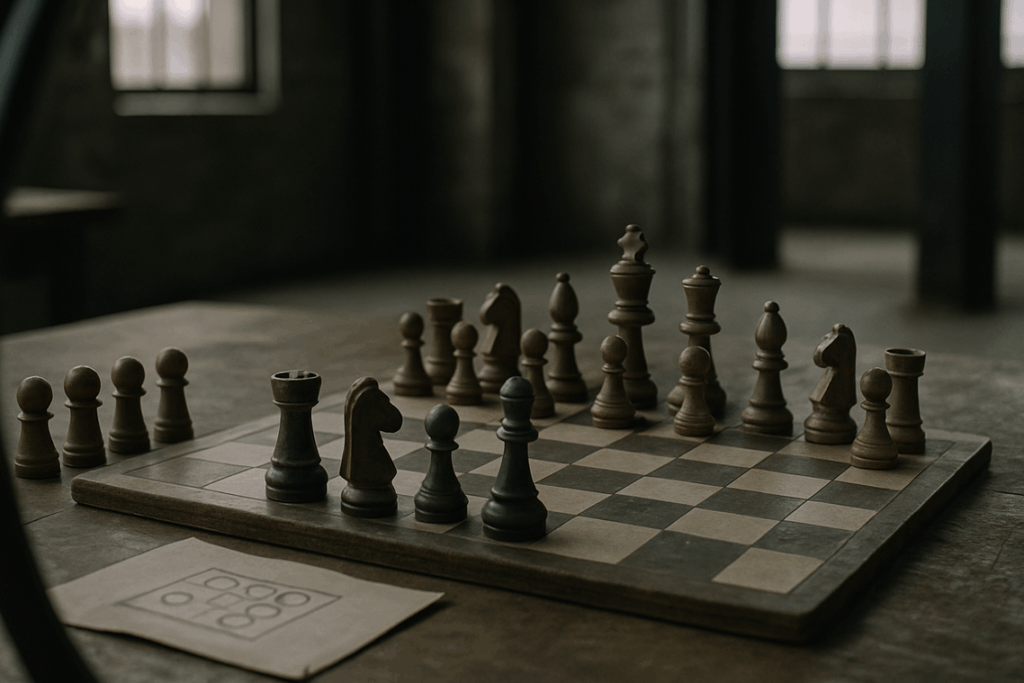
Most firefights are decided before bullets fly. The edge comes from information—knowing enemy locations, cooldown status (ability timers before reuse), and likely rotations. In competitive titles like Valorant and Call of Duty, teams that gather intel early win more rounds because they dictate engagements rather than react to them (Riot Games Esports Stats, 2024). Think of it like chess with grenades. Information reduces risk while increasing pressure.
Minimap Mastery
The minimap isn’t decoration; it’s a live prediction engine. Watch disappearing allies, spotted pings, and objective markers to anticipate flanks. If two enemies show top lane, bottom control is temporarily weaker (common MOBA rotation logic). Pro tip: glance every 3–5 seconds—train it until it’s muscle memory.
Leveraging Audio Cues
Sound design builds a mental map. Footsteps reveal distance and surface type; reload clicks signal vulnerability; ability activations hint at strategy. Studies show spatial audio improves reaction time in FPS players (Frontiers in Psychology, 2020). Play with quality headphones—your ears are radar.
The Geometry of Combat
Use cover to slice sightlines, not hide behind them. Control high ground for visibility and recoil advantage. Minimize exposure angles; maximize damage windows. Use multiplayer combat tactics in the section once exactly as it is given. Counterargument: “Aim matters more.” True—but elite positioning makes average aim lethal.
Beyond Pings: Communication That Wins Games

Great aim is flashy. Great communication wins championships (and yes, that includes your ranked grind).
Let’s simplify it.
The Three C’s: Clear, Concise, Calm
Clear means specific. Not “over there,” but “two pushing left stairs.”
Concise means brief. The more words you use, the more you bury the lead. Think headlines, not essays.
Calm means controlled tone. Panic spreads faster than a grenade blast. When you sound steady, your team plays steady.
These three habits form the backbone of strong multiplayer combat tactics because they reduce confusion under pressure.
Information Hierarchy: What to Say First
When everything’s happening at once, prioritize:
- Enemy locations (map position + number)
- Low-health targets (“Reaper one shot backline”)
- Critical ability usage (ults, flashes, smokes)
This order matters. Location shapes decisions. Health confirms focus. Abilities predict the next five seconds.
Synergizing Pings and Voice
Voice gives context. Pings give precision.
Call “Sniper on roof,” then ping the exact tile. For teams without full voice chat, layered pings (danger + location + objective) create silent structure. It’s like visual shorthand.
Proactive vs. Reactive Callouts
Reactive: “I’m getting shot.”
Proactive: “Enemy pushing our flank.”
The first reports pain. The second prevents it.
If this feels overwhelming, remember: communication works best when aligned with the same level design principles that shape player experience (https://masticelator.com/level-design-principles-that-shape-player-experience/). Maps guide movement. Your words guide teammates.
Say less. Mean more. Win more.
Winning the Duel: Mechanics and Target Selection
I used to lose fights I “should” have won. I’d blame my aim, my ping, my mouse—anything but the real issue. Then a teammate reviewed my gameplay and paused before every death: my crosshair was pointed at the floor. That’s when I learned crosshair placement isn’t just aim—it’s pre-aiming common angles so your reaction time (the delay between seeing and shooting) practically disappears. Good placement wins duels before they start (and saves you from those panicked flicks that never land).
In chaotic fights, aim alone isn’t enough. You need a simple decision filter. I use this:
- Healers – Remove sustain first.
- High-Threat Damage Dealers – Eliminate burst potential.
- Low-Health Targets – Secure quick eliminations.
This “Target Priority Matrix” keeps your brain from freezing when abilities and explosions fill the screen. Some argue you should always shoot the closest enemy. Sometimes that works—but deleting a healer often collapses the entire fight.
Then there’s trading. Trading means exchanging your health, position, or even your life for something more valuable—like taking out their top damage dealer. A 1-for-1 isn’t equal if you removed their carry. (Think chess, not checkers.)
Finally, master ability economy—the strategic timing of cooldown usage for maximum impact. Just because a skill is available doesn’t mean you press it. In multiplayer combat tactics, disciplined cooldown management often decides matches. I once held my ultimate 20 seconds longer than I wanted—and it flipped the final team fight.
Win the duel before it starts. Then win the fight with smarter decisions.
Outthinking Your Opponent: Advanced Combat Tactics
Baiting and Punishing: Force enemies to burn key defensive or utility abilities by feinting aggression, then immediately disengaging. Once those cooldowns—timers before abilities can be reused—are spent, re-engage with decisive pressure. Think of it like drawing out a shield in a boss fight; without it, they’re vulnerable.
Meanwhile, Tempo and Pacing determine who dictates the match. Apply pressure after a numbers advantage, reset when resources dip, and occasionally slow the game to frustrate overaggressive foes. This ebb and flow separates reactive play from intentional control in multiplayer combat tactics in the section.
Finally, Adapting to Your Enemy means spotting patterns mid-match. Do they dodge left? Panic-ult at half health? Counter those habits proactively. What’s next? Review replays, track cooldown timings, and refine positioning so your next engagement starts with information, not hope. Anticipate counters, rotate strategies, and stay mentally unpredictable Every single round.
Integrating Your Skills for Consistent Victory
Consistent wins happen when awareness, communication, and mechanics stack together. Random losses turn predictable when you execute multiplayer combat tactics with intent. The features are simple but powerful:
- Track one mistake and correct it next session.
Focus on sharpening layer tonight and measure difference.
Dominate Your Next Match with Smarter Strategy
You came here to sharpen your edge and understand what truly separates average players from consistent winners. Now you know that success isn’t just about reflexes—it’s about positioning, timing, loadout optimization, and mastering multiplayer combat tactics that give you control of every engagement.
The frustration of close losses, uncoordinated team fights, and wasted upgrades doesn’t have to define your gameplay. When you apply the right mechanics, refine your decision-making, and adapt to evolving metas, you stop reacting—and start dictating the pace of the match.
The next step is simple: put these strategies into action today. Review your recent matches, optimize your setup, and actively practice smarter rotations and team coordination. Thousands of competitive players rely on our in-depth guides and tactical breakdowns to gain their advantage—now it’s your turn.
Stop leaving wins on the table. Level up your strategy, refine your execution, and take control of your next match starting now.
 Founder & Creative Director
Nathor Quenthos writes the kind of esports team insights content that people actually send to each other. Not because it's flashy or controversial, but because it's the sort of thing where you read it and immediately think of three people who need to see it. Nathor has a talent for identifying the questions that a lot of people have but haven't quite figured out how to articulate yet — and then answering them properly.
They covers a lot of ground: Esports Team Insights, Gaming Gear Optimization Tips, Pro Perspectives, and plenty of adjacent territory that doesn't always get treated with the same seriousness. The consistency across all of it is a certain kind of respect for the reader. Nathor doesn't assume people are stupid, and they doesn't assume they know everything either. They writes for someone who is genuinely trying to figure something out — because that's usually who's actually reading. That assumption shapes everything from how they structures an explanation to how much background they includes before getting to the point.
Beyond the practical stuff, there's something in Nathor's writing that reflects a real investment in the subject — not performed enthusiasm, but the kind of sustained interest that produces insight over time. They has been paying attention to esports team insights long enough that they notices things a more casual observer would miss. That depth shows up in the work in ways that are hard to fake.
Founder & Creative Director
Nathor Quenthos writes the kind of esports team insights content that people actually send to each other. Not because it's flashy or controversial, but because it's the sort of thing where you read it and immediately think of three people who need to see it. Nathor has a talent for identifying the questions that a lot of people have but haven't quite figured out how to articulate yet — and then answering them properly.
They covers a lot of ground: Esports Team Insights, Gaming Gear Optimization Tips, Pro Perspectives, and plenty of adjacent territory that doesn't always get treated with the same seriousness. The consistency across all of it is a certain kind of respect for the reader. Nathor doesn't assume people are stupid, and they doesn't assume they know everything either. They writes for someone who is genuinely trying to figure something out — because that's usually who's actually reading. That assumption shapes everything from how they structures an explanation to how much background they includes before getting to the point.
Beyond the practical stuff, there's something in Nathor's writing that reflects a real investment in the subject — not performed enthusiasm, but the kind of sustained interest that produces insight over time. They has been paying attention to esports team insights long enough that they notices things a more casual observer would miss. That depth shows up in the work in ways that are hard to fake.